I still remember the day I bought my first UV nail lamp. I had just discovered gel polish and was thrilled at the idea of a chip‑free manicure that lasted two weeks. But every time I used that cheap lamp, my polish would peel off within days. I assumed the problem was my technique. Turns out, the real problem was the lamp itself.
A good nail lamp is the single most important tool in any gel manicure routine. Without it, your gel won’t cure properly, no matter how perfectly you apply it. Here’s everything you need to know about choosing the right lamp, the differences between UV and LED, and why it all matters.
What Does a Nail Lamp Actually Do?
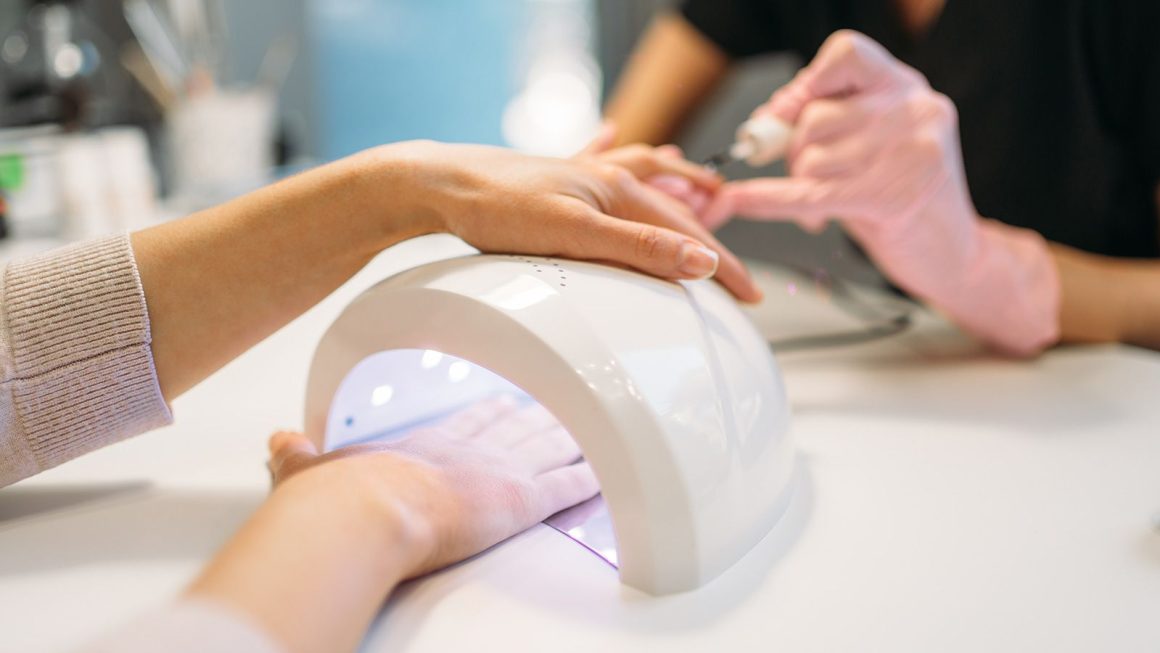
Gel polish doesn’t dry like regular nail polish. It hardens through a chemical reaction called polymerization, which is triggered by exposure to ultraviolet light. The UV light activates photoinitiators inside the gel, causing the molecules to link together and form a hard, durable finish. Without that light, the gel stays liquid forever.
The lamp you choose determines how well this reaction happens—and how long your manicure lasts.
UV Lamps: The Traditional Workhorse
UV lamps have been around for years. They use fluorescent bulbs that emit a broad spectrum of UV light, typically between 340 nm and 380 nm. The broad spectrum means UV lamps are compatible with almost every type of gel polish, including older formulas, builder gels, and hard gels. However, they cure slowly—usually 2 to 3 minutes per coat—and the bulbs lose power over time and need replacing every few months.
LED Lamps: The Modern Choice
LED lamps use light‑emitting diodes that produce a narrower, more targeted wavelength—usually between 390 nm and 410 nm. This focused light cures gel much faster: 30 to 60 seconds per coat instead of several minutes. LED bulbs are also incredibly durable, lasting over 50,000 hours, which means you’ll rarely, if ever, need to replace them. They use less energy and generate less heat, making the curing process more comfortable. The only catch is that not all gels work with LED lamps. You must use LED‑compatible formulas.
Key Differences at a Glance
| Feature | UV Lamp | LED Lamp |
| Curing time per coat | 2–3 minutes | 30–60 seconds |
| Bulb lifespan | ~1,000 hours | ~50,000 hours |
| Energy efficiency | Lower | Higher |
| Gel compatibility | Works with all types | Only LED compatible gels |
| Initial cost | Lower | Higher |
| Heat during curing | More | Less |
How to Tell Which Lamp You Have
Not sure what’s sitting on your desk? Look at the bulbs. UV lamps use long, tube‑shaped bulbs. LED lamps have small circular diodes arranged in a grid. Also check the label: LED lamps often list a wavelength range like “365–405 nm.” If your gels cure within a minute, you’re almost certainly using an LED lamp.
Which Lamp Should You Choose?
The answer depends entirely on what you need.
If you want speed, lower heat, and fewer bulb replacements, an LED lamp is the better choice. It’s ideal for home users who want a fast, fuss‑free experience. LED lamps have become the go‑to for modern salons because of their efficiency and durability.
If you use a variety of gel products, including older formulas or hard gels, a UV lamp may be more versatile. It will cure almost anything you put under it.
For the best of both worlds, consider a UV/LED hybrid lamp. These combination lamps contain both types of bulbs and can cure all gels while still giving you the speed of LED technology.
Why Matching Your Lamp to Your Gel Matters
Here’s something many beginners don’t realize: there is no universal lamp that properly cures every gel polish. Using the wrong lamp can leave your gel under‑cured, which is a much bigger problem than a chipped manicure.
Under‑cured gel often looks and feels hard even when it’s only 50% cured. You can’t tell by sight or touch alone. But that partially cured product is less durable and more likely to crack, lift, or peel. More concerning, repeated exposure to under‑cured gel can cause skin irritation or even permanent allergies to acrylates. Once an acrylate allergy develops, you may no longer be able to wear any nail enhancements without a reaction. This is why industry experts strongly recommend using the lamp recommended by your gel polish manufacturer—their lamp is calibrated to match the specific photoinitiators in their product.
Are These Lamps Safe?
Both UV and LED lamps emit UVA radiation, which is the same type of light linked to skin aging and cancer risk. The good news is that the exposure from a typical manicure is considered low—significantly less than the risk from a tanning booth. However, repeated exposure over many years can add up. To protect yourself, apply a broad‑spectrum sunscreen to your hands before curing, and consider using UV‑protective gloves with the fingertips cut off.
Final Thoughts
Your nail lamp is the heart of your gel manicure system. A good lamp cures your polish properly, which means longer‑lasting results and lower risk of allergic reactions. A bad lamp—or the wrong lamp for your product—leaves your nails vulnerable to lifting, chipping, and skin problems down the road.
Take the time to match your lamp to your gel, replace bulbs when needed, and protect your skin. Your nails (and your health) will thank you.
Read also: The Semi-Permanent Nail Polish Guide: Perfect, Long-Lasting Manicures Made Safe and Simple